


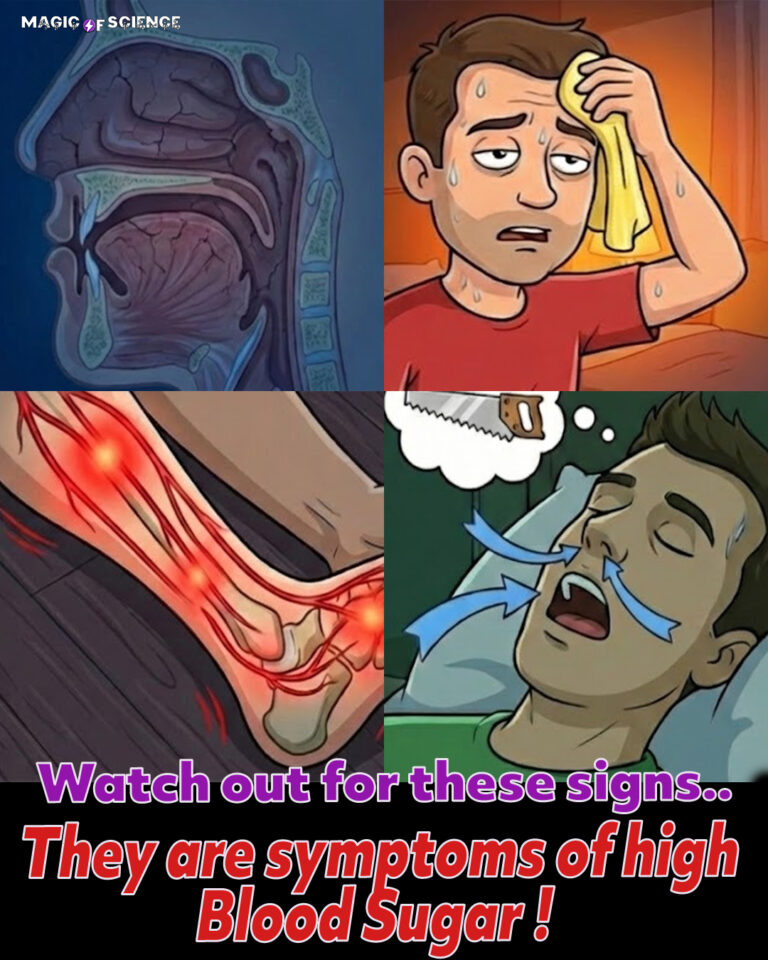


Beware of these signs; they are symptoms of high blood sugar!
Hyperglycemia, also known as high blood sugar, affects people with type 1 diabetes, type 2 diabetes, and gestational diabetes during pregnancy.
In some cases, hyperglycemia can also occur in people who do not have diabetes. However, this usually happens only in individuals with severe illnesses, such as those who have recently had a stroke, heart attack, or a serious infection.
It is important not to confuse hyperglycemia with hypoglycemia, which is a condition where blood sugar levels drop dangerously low.
This guide focuses specifically on hyperglycemia in people with diabetes.
Is Hyperglycemia Dangerous?
The main goal of diabetes management is to keep blood sugar levels as close to normal as possible. However, even with careful management, people with diabetes may experience high blood sugar at some point.
Recognizing and treating hyperglycemia early is essential, as untreated high blood sugar can lead to serious and potentially life-threatening complications.
Mild and occasional episodes are usually not a major concern and can often be treated easily—or blood sugar levels may return to normal on their own.
However, persistently high or extremely elevated blood sugar levels are dangerous.
Severe complications of hyperglycemia include:
-
Diabetic Ketoacidosis (DKA):
A serious condition where the body breaks down fat for energy due to lack of insulin, producing dangerous acids called ketones. This can lead to diabetic coma and occurs more commonly in people with type 1 diabetes. -
Hyperosmolar Hyperglycemic State (HHS):
A life-threatening condition caused by extreme dehydration as the body attempts to eliminate excess glucose. It mainly affects people with type 2 diabetes.
Long-term, consistently high blood sugar levels (over months or years) can cause permanent damage to vital organs such as the eyes, nerves, kidneys, and blood vessels.
Tip: If you experience frequent high blood sugar levels, talk to your doctor or diabetes care team. Adjustments to your treatment plan or lifestyle may be necessary.
Symptoms of High Blood Sugar (Hyperglycemia)
Symptoms of hyperglycemia usually develop gradually over several days or weeks. In some cases, symptoms may not appear until blood sugar levels become very high.
Common symptoms include:
-
Increased thirst and dry mouth
-
Frequent urination
-
Fatigue and weakness
-
Blurred vision
-
Unexplained weight loss
-
Recurrent infections such as yeast infections, bladder infections, or skin infections
These symptoms may also indicate undiagnosed diabetes. If you experience them, consult a healthcare provider for testing.
What Should My Blood Sugar Level Be?
When you are first diagnosed with diabetes, your healthcare team will explain your current blood sugar levels and your target range.
You may be advised to monitor your blood sugar at home using a glucose meter, or have it checked periodically by a nurse or doctor.
General target blood sugar levels:
-
Home monitoring:
-
4–7 mmol/L before meals
-
Less than 8.5–9 mmol/L two hours after meals
-
-
Long-term control (HbA1c test):
-
Below 48 mmol/mol (or 6.5% using older measurement standards)
-
Target levels may vary depending on age, health condition, and treatment plan.
Causes of High Blood Sugar in Diabetes
Several factors can trigger hyperglycemia, including:
-
Stress and emotional pressure
-
Illness (such as colds or infections)
-
Overeating or frequent snacking
-
Lack of physical activity
-
Dehydration
-
Missing diabetes medication or taking the wrong dose
-
Overtreating low blood sugar (consuming too much sugar)
-
Certain medications, such as steroids
In children and adolescents, occasional high blood sugar may occur during growth spurts.
Treatment of Hyperglycemia
If you have diabetes and notice symptoms of high blood sugar, follow the guidance provided by your healthcare team. If you are unsure, contact your doctor.
Treatment recommendations may include:
-
Diet changes: Avoid sugary foods and drinks such as cakes and soft drinks
-
Drink plenty of sugar-free fluids: Helps prevent dehydration
-
Increase physical activity: Light, regular exercise like walking can lower blood sugar, especially if it helps with weight loss
-
Adjust insulin dosage: Your healthcare team can advise on safe adjustments
You may also be advised to monitor blood sugar more closely or test blood or urine for ketones, especially if levels remain high.
When to Seek Emergency Medical Care
Contact your diabetes care team immediately if you have high blood sugar along with:
-
Nausea or vomiting
-
Abdominal pain
-
Rapid, deep breathing
-
Signs of dehydration (headache, dry skin, fast or weak pulse)
-
Difficulty staying awake or alert
These symptoms may indicate diabetic ketoacidosis (DKA) or hyperosmolar hyperglycemic state (HHS) and require urgent hospital treatment.
How to Prevent Hyperglycemia
You can reduce the risk of severe or persistent high blood sugar by following these steps:
-
Watch your diet: Be cautious with sugary foods and carbohydrates
-
Follow your treatment plan: Take insulin or diabetes medications exactly as prescribed
-
Stay physically active: Regular exercise helps control blood sugar—consult your doctor if you’re on medications that may cause hypoglycemia
-
Manage illness properly: Follow “sick day rules” provided by your healthcare team
-
Monitor blood sugar regularly: Home testing helps detect rising levels early and take action quickly
Do not forget to share your opinion with us to provide you with the best posts !



0 Comments