


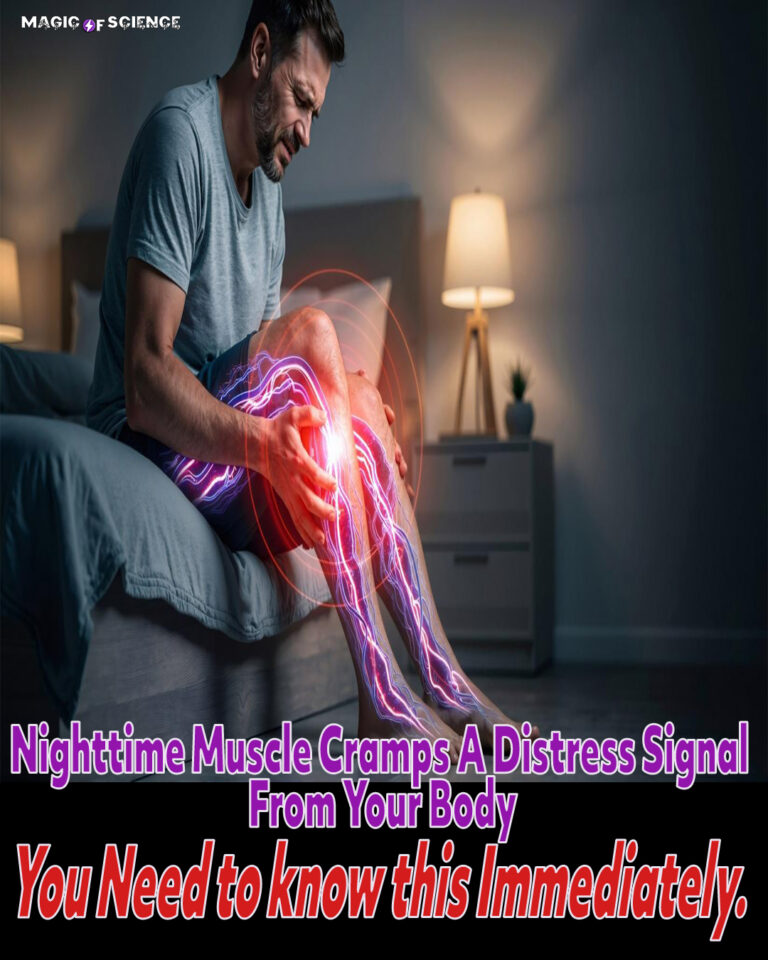


Nighttime Muscle Cramps: A Distress Call from Your Body
First: What Are Nighttime Muscle Cramps and Why Do They Happen?
A muscle cramp is a sudden, involuntary, and painful contraction of a muscle or group of muscles. Although cramps can occur anywhere in the body, they most commonly affect the calf muscle and sometimes the sole of the foot.
The pain may last from a few seconds to several minutes, and the muscle can remain sore for up to 24 hours after the spasm.
Nighttime muscle cramps are not the same as Restless Legs Syndrome (RLS).
While RLS causes an uncomfortable urge to move the legs without severe pain, muscle cramps cause intense pain and noticeable muscle stiffness.
Second: Why You Should Not Ignore Nighttime Muscle Cramps
The warning phrase “do not ignore it” carries important medical meaning. Muscle cramps are not a disease, but rather a symptom. Repeatedly ignoring them may lead to or signal deeper health issues, such as:
🔹 Chronic Sleep Disturbances
Severe pain interrupts deep sleep cycles, leading to insomnia, chronic fatigue, weakened immunity, and poor concentration during the day.
🔹 Possible Vascular Disease
In some cases, cramps result from narrowed arteries supplying the legs (Peripheral Artery Disease), meaning the muscles are not receiving enough oxygen.
🔹 Nerve Damage
People with diabetes often experience nighttime cramps as an early sign of peripheral neuropathy.
🔹 Kidney or Liver Problems
Toxin buildup caused by impaired kidney or liver function may manifest as persistent muscle cramps.
Third: Main Causes of Nighttime Muscle Cramps
The causes can generally be divided into lifestyle-related and medical factors.
1. Muscle Overuse and Poor Posture
Standing for long periods on hard surfaces or sitting incorrectly for extended hours strains the muscles.
Sleeping with the feet pointed downward shortens the calf muscle and increases the likelihood of cramping.
2. Dehydration and Electrolyte Imbalance (Most Common Cause)
Muscles require a precise balance of fluids and minerals to contract and relax properly. Deficiencies in the following play a major role:
- Magnesium: Responsible for muscle relaxation; deficiency leads to prolonged contractions
- Potassium: Essential for nerve signal transmission to muscles
- Sodium & Calcium: Excessive sweating without replacement can trigger cramps
3. Medications
Some prescription drugs may cause muscle cramps as a side effect, including:
- Diuretics (used for high blood pressure, causing loss of potassium and magnesium)
- Statins (cholesterol-lowering drugs)
- Certain asthma medications
4. Underlying Medical Conditions
- Pregnancy: Increased mineral demand and pressure on leg veins
- Chronic venous insufficiency (varicose veins): Poor blood return reduces oxygen to muscles
- Hypothyroidism
Fourth: Natural Treatments and Effective Home Remedies
The good news is that most nighttime muscle cramps can be treated and prevented naturally, without complex medications, using a three-level strategy.
A) Immediate Relief (During the Cramp)
When a cramp strikes at night, act immediately:
✔ Stretch the Muscle
Sit up, straighten your leg, grab your toes, and pull them toward your knee. This forces the muscle to lengthen and relax.
✔ Massage
Gently rub the tight muscle to improve blood flow.
✔ Heat Therapy
Apply a warm compress or heating pad. Heat helps relax muscle fibers quickly.
B) Nutrition and Natural Supplements (Internal Prevention)
Relief starts with what’s on your plate:
🥑 Magnesium Power Foods
Almonds, pumpkin seeds, spinach, avocado, and dark chocolate.
🍌 Potassium Sources
Bananas are famous, but sweet potatoes, dried apricots, and watermelon are excellent alternatives.
🥤 Tonic Water (Quinine)
Traditionally, small amounts were used before bed to reduce muscle excitability—but consult a doctor first.
🍎 Apple Cider Vinegar
Some believe a teaspoon mixed with honey in warm water before sleep helps balance potassium levels.
C) Lifestyle Adjustments (Your Pre-Sleep Routine)
💧 Smart Hydration
Drink water throughout the day—not just when thirsty.
Light-yellow urine is a good sign of proper hydration.
🧘 Evening Stretching
Spend 5 minutes before bed stretching your calves and thighs.
Stand facing a wall, place your hands against it, step one foot back, and keep the heel on the ground.
🛁 Epsom Salt Bath
Soaking your feet or body in warm water with Epsom salt allows magnesium absorption through the skin, providing deep muscle and nerve relaxation.
👟 Proper Footwear
Avoid prolonged use of high heels or completely flat shoes, as they disrupt calf muscle mechanics.
Fifth: When Should You See a Doctor?
While most cramps are harmless, seek medical advice if:
- Cramps are severe and occur nightly, disrupting sleep
- You notice swelling, redness, or warmth in the leg (possible blood clot – DVT, a medical emergency)
- Muscle weakness or muscle wasting appears
- Cramps start immediately after beginning a new medication
Conclusion
Nighttime muscle cramps are not just a minor inconvenience—they are your body’s way of telling you something is missing.
It may be water, minerals, rest, or even a medical checkup.
By understanding the causes and applying the natural solutions above, you can restore sleep quality and protect yourself from unnecessary health complications.
🟢 Remember: Prevention is simple and effective—hydration, stretching, and proper nutrition are the keys.
Do not forget to share your opinion with us to provide you with the best posts !



0 Comments