


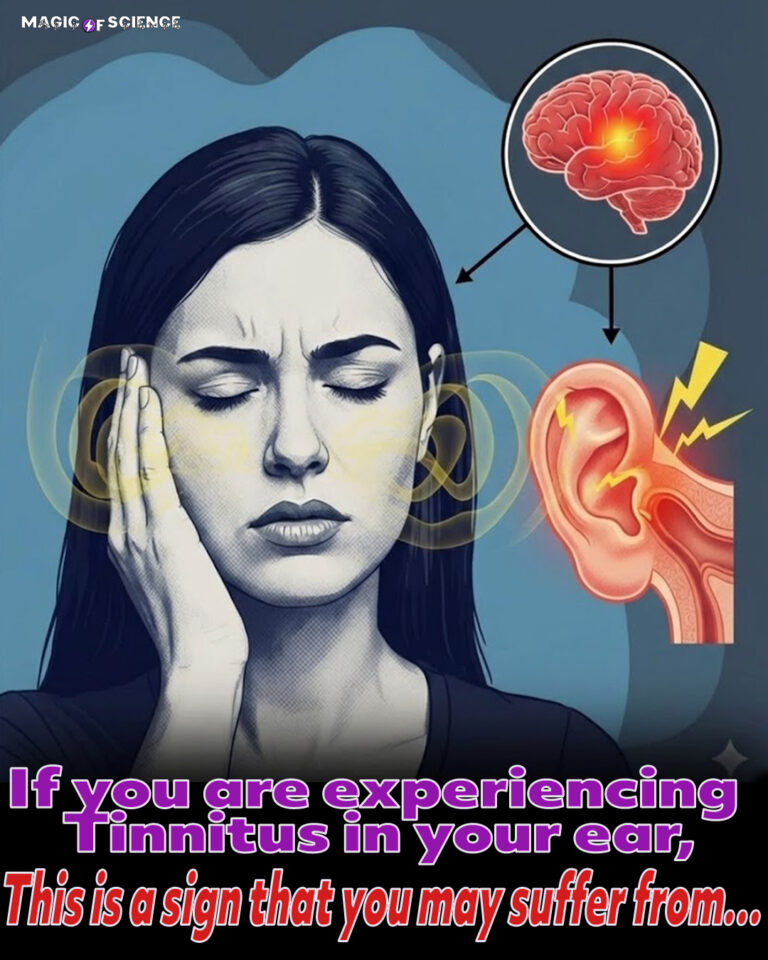


Tinnitus (Ringing in the Ears): Causes, Symptoms, Types, and Treatment
Have you ever noticed a ringing, buzzing, hissing, or whistling sound in your ear when everything around you is quiet?
If so, you’re not alone. This experience is known as tinnitus.
While tinnitus is often harmless, it can sometimes be a sign of an underlying health condition that deserves attention. Understanding what tinnitus really means—and knowing when to see a doctor—can help protect your hearing and overall well-being.
What Is Tinnitus?
Tinnitus is the perception of sound without an external source. The sound may be heard in one ear, both ears, or even inside the head. It can be constant or intermittent, soft or loud, and may change over time.
Common descriptions of tinnitus include:
-
Ringing
-
Buzzing
-
Humming
-
Hissing
-
Clicking or crackling
-
Roaring
Tinnitus itself is not a disease, but rather a symptom of something affecting the auditory system or the body.
Why Do You Hear Ringing in Your Ears?
Tinnitus occurs when the brain receives abnormal signals from the auditory system. Several factors can trigger this process:
1. Hearing Loss (Most Common Cause)
Age-related hearing loss or damage caused by loud noise can harm the tiny hair cells in the inner ear. When these cells stop working properly, the brain may compensate by generating “phantom sounds.”
2. Exposure to Loud Noise
Frequent exposure to loud music, machinery, concerts, or high-volume headphones can overstimulate and damage the auditory system, leading to temporary or permanent tinnitus.
3. Earwax Blockage
Excessive earwax buildup can irritate the eardrum or block sound transmission, causing ringing or buzzing sensations.
4. Ear or Sinus Infections
Inflammation or fluid buildup in the middle or inner ear can interfere with hearing signals and trigger tinnitus.
5. Medications
Some medications are ototoxic, meaning they can damage hearing. These include certain antibiotics, painkillers (when overused), diuretics, and chemotherapy drugs.
6. Stress and Anxiety
High stress levels do not directly cause tinnitus, but they can worsen symptoms by increasing the brain’s sensitivity to internal sounds.
7. Other Medical Conditions
Less common causes include:
-
Temporomandibular joint disorders (TMJ)
-
High blood pressure
-
Head or neck injuries
-
Circulatory or blood flow problems
Types of Tinnitus
Understanding the type of tinnitus you have can help doctors determine its cause.
Subjective Tinnitus
-
The most common type
-
Only you can hear the sound
-
Often linked to hearing loss or nerve-related issues
Objective Tinnitus (Rare)
-
The sound can be heard by a doctor during examination
-
Usually related to blood flow or muscle contractions near the ear
Is Tinnitus Dangerous?
In most cases, tinnitus is not life-threatening. However, persistent or worsening tinnitus can significantly affect quality of life and may lead to:
-
Sleep disturbances
-
Difficulty concentrating
-
Anxiety or irritability
-
Emotional stress
That’s why identifying the underlying cause is important—even if the sound itself seems mild.
When Should You See a Doctor?
You should seek medical advice if tinnitus:
-
Lasts more than a few days
-
Occurs in only one ear
-
Is accompanied by hearing loss
-
Comes with dizziness, balance problems, or headaches
-
Appears suddenly after a head injury
-
Is pulsating or rhythmic (sounds like a heartbeat)
These signs may indicate a condition that requires professional evaluation.
How Is Tinnitus Diagnosed?
A healthcare provider may:
-
Examine your ears for blockage or infection
-
Review your medical history and medications
-
Perform a hearing test (audiometry)
-
Request imaging tests if necessary
The goal is to identify and treat the underlying cause whenever possible.
Can Tinnitus Be Treated?
There is no universal “cure” for tinnitus, but many people find relief through proper management.
Common treatment approaches include:
-
Removing earwax or treating infections
-
Adjusting or changing medications
-
Using hearing aids (especially if hearing loss is present)
-
Sound therapy or white noise devices
-
Stress management and relaxation techniques
In many cases, tinnitus becomes less noticeable over time as the brain adapts.
Protect Your Ears: Simple Prevention Tips
-
Keep headphone volume at safe levels
-
Wear ear protection in noisy environments
-
Avoid prolonged exposure to loud sounds
-
Manage stress and get enough sleep
-
Have regular hearing checks if you’re at risk
Conclusion
Ringing in your ears can be annoying, but it’s often your body’s way of signaling that your auditory system needs attention. While tinnitus is usually harmless, persistent or unusual symptoms should never be ignored.
If you’re unsure, consulting a healthcare professional is always the best step. Early evaluation can provide peace of mind—and help protect your hearing in the long term.
👂 Your ears work hard for you every day. Listening to their signals is the first step toward keeping them healthy.
Do not forget to share your opinion with us to provide you with the best posts !



0 Comments